
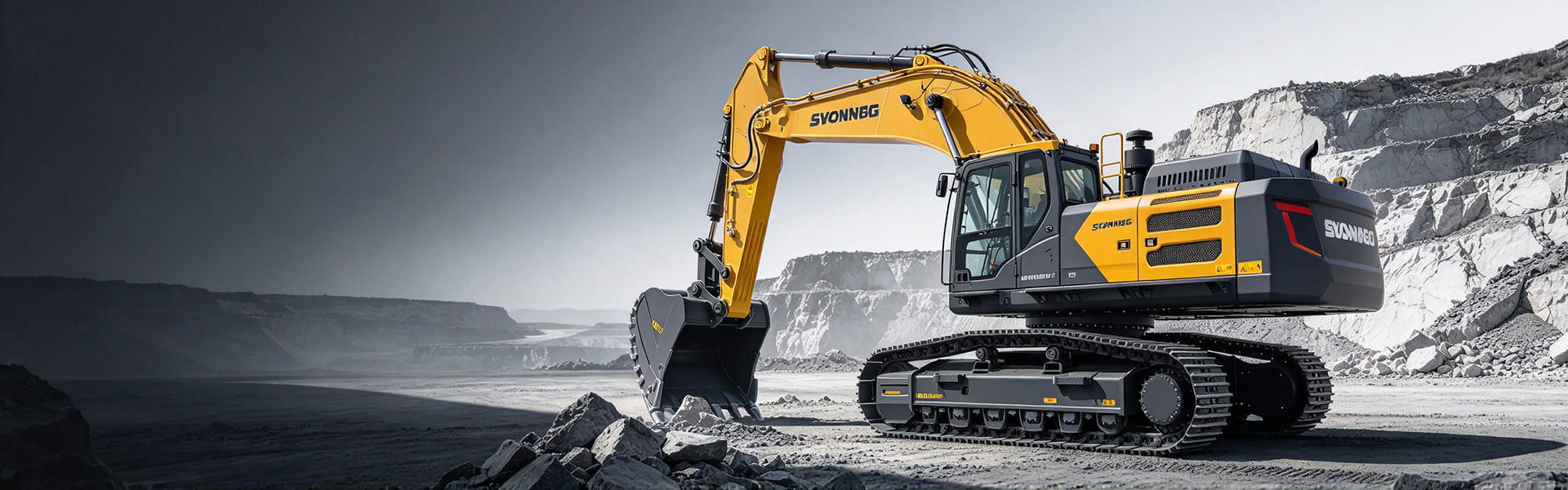
Electric and Smart Construction Equipment Create New Global Opportunities
Electrification and digitalization are transforming the global construction equipment industry. Electric excavators, electric wheel loaders, hybrid machines and remote-controlled equipment are attracting growing interest in Europe, North America, Australia, Japan, South Korea and parts of Southeast Asia. Manufacturers are investing heavily in battery technology, fast charging, energy recovery and intelligent control systems. These machines are no longer just prototypes; they are entering real projects.
Several factors are driving this shift. Governments are setting carbon-reduction targets and introducing low-emission zones in cities. Contractors are looking for ways to reduce fuel costs and maintenance expenses. Electric equipment can also be quieter and more suitable for urban construction, indoor demolition and night work. In some markets, subsidies and tax incentives make electric machines more financially attractive. As battery prices fall and charging infrastructure improves, the business case becomes stronger.
Challenges remain. Electric construction machinery often has a higher upfront cost than diesel models. Charging infrastructure may be limited on remote job sites. Battery life, replacement costs and resale value are still concerns for some buyers. Service networks and trained technicians are not yet widely available in every region. These issues mean that adoption will vary by market, application and project size. Diesel equipment will continue to play a major role for many years.
For global dealers and exporters, electrification and smart technology create new opportunities. There is growing demand for rental and lease-to-own models, which allow customers to test electric machines without a large initial investment. Opportunities also exist in spare parts, battery service, remote diagnostics, operator training and technical support. Companies that build local service capacity and understand local regulations will be well placed to benefit. The transition will take time, but the direction is clear: the future of global construction equipment will be cleaner, smarter and more connected.